
The Devil's In The Details
Inside "Remnant" Pre-Production Week 2

The middle of pre-production is where things stop feeling abstract and, as the French say, “Shit gets real.”
You can spend months (even years!) talking about tone, theme, and the big-picture version of the movie — but eventually you hit the point where every single decision becomes specific, practical, and expensive. That’s what this week was all about. The devil really is in the details, and we spent the entire week staring him directly in the face.
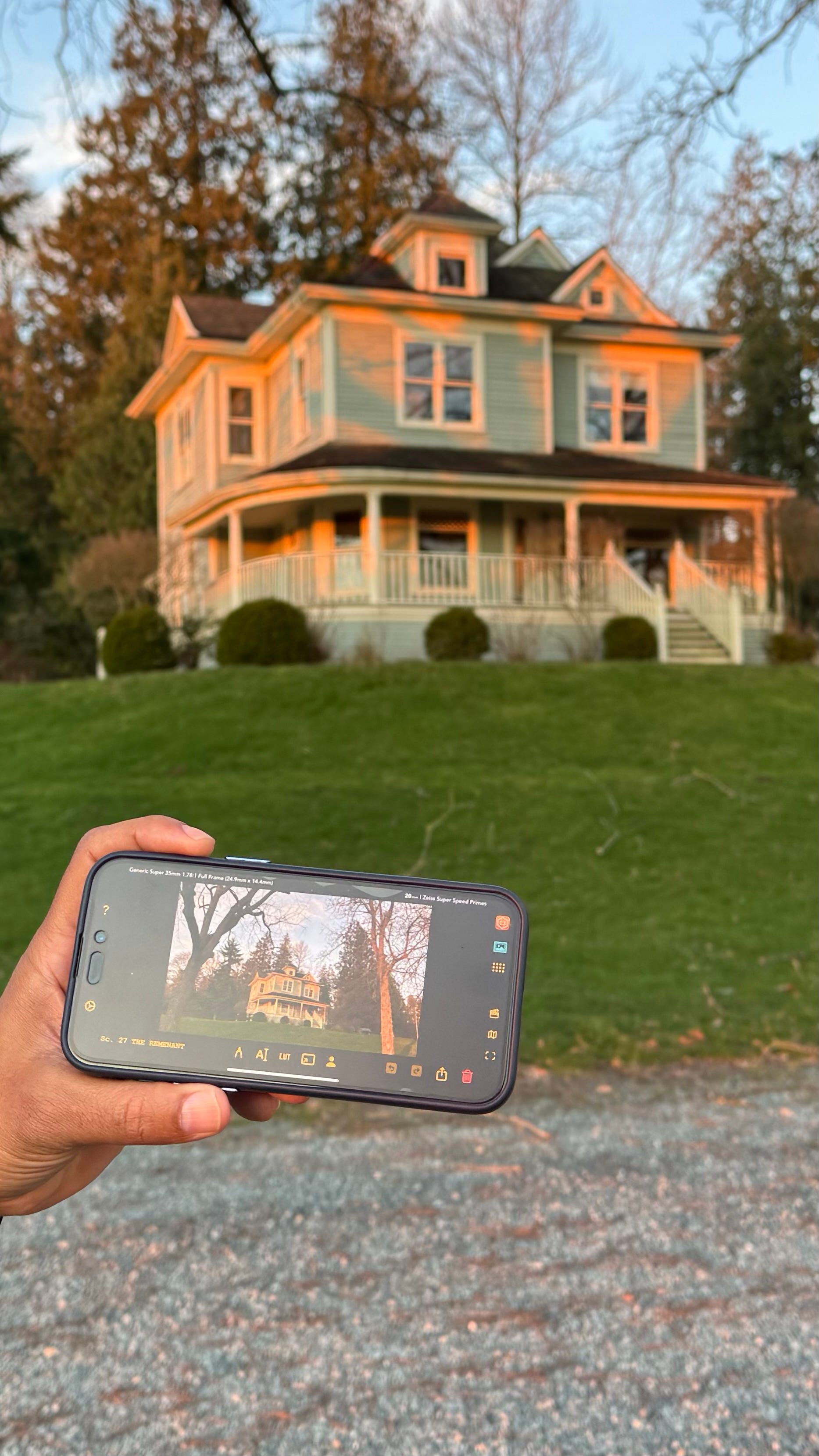
We kicked things off Monday with a props meeting focused on one of the most important objects in the film — the Navoka — a custom-built device that’s unique to Remnant. I won’t get into too many spoilery details here, but this thing is really cool and integral to the story. It’s been designed and fabricated over the last month, and it finally landed in our hands just over a week ago. Seeing something that has only existed in your head suddenly become real is always a bit surreal — and honestly, an incredible relief.
This meeting was all about refinement. Aging certain pieces down, making sure individual elements felt distinct, and dialing in the level of wear so nothing looked too “new” or too uniform. These are the kinds of details most audiences will never consciously clock — but if they’re wrong, you feel it. Props meetings are some of my favorites for that exact reason. You’re handling objects, talking through story logic, and in the case of a horror film, casually debating some pretty weird and gory stuff like it’s totally normal. Which, on a film set, it is.
From there, we moved straight into a set decoration meeting. Our set decorator officially started this week, and he’s the real deal. Huge résumé, great instincts, and an incredible attention to detail. We went through every key location in the film, breaking down how each space should feel and what story it’s telling.
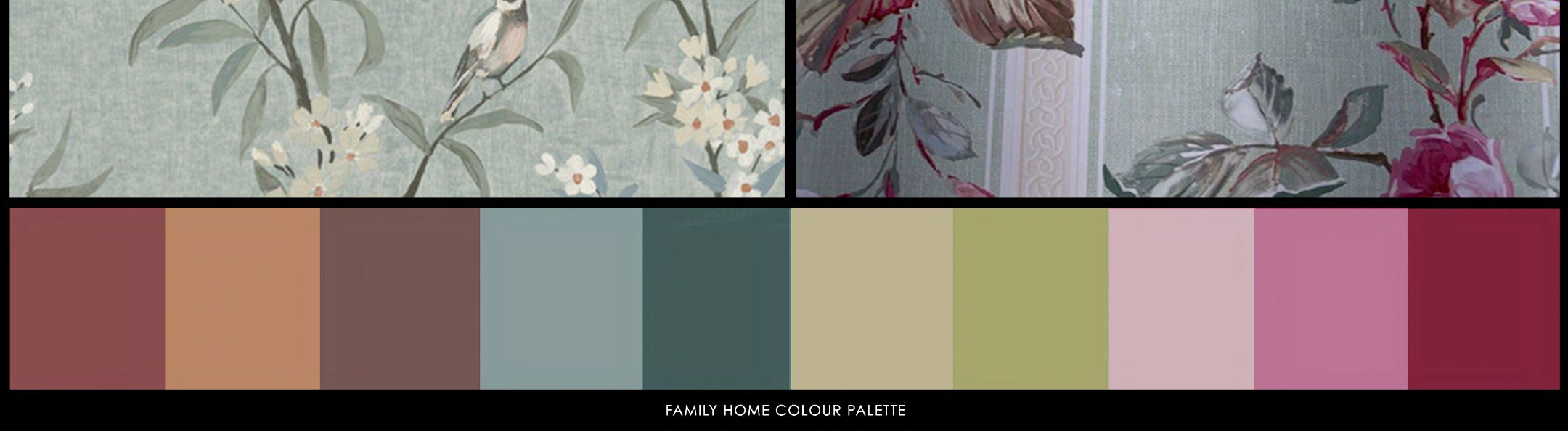
All of this is built on the foundation laid by our production designer, who created the overall concept for the house — and then the decorator’s job is to bring that vision to life by filling it with the right objects, textures, and history. That challenge is amplified by the fact that our main location is an empty heritage home. A true blank canvas. We’re painting the entire interior, putting up wallpaper, dressing every room… and then at the end of the shoot, returning it exactly to how we found it. No drilling new holes. No permanent damage. Respecting a very old house while turning it into the setting for a horror film is a very delicate balancing act.
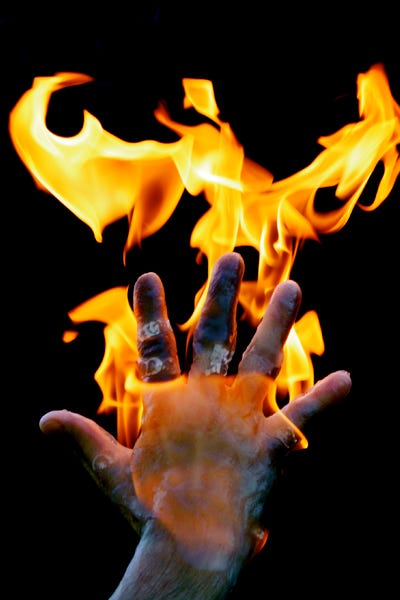
Later that day, we had our special effects meeting — always a fun one. For anyone less familiar with the breakdown: special effects are physical effects done on set, while visual effects happen later in post. Fog, atmosphere, blood gags, fire — that’s all SPFX territory.
Because this is a horror film, that department is doing a lot of heavy lifting. We talked through atmospheric haze for interiors, fog for the exterior of the house, blood effects coordinated with makeup, and several major fire elements. Fire is one of those things that looks incredible on screen but requires an extremely experienced team to pull off safely. Thankfully, we’re in very good hands.
One small personal win that came out of that meeting: I managed to cut a few effects and save the production some money. That might not sound glamorous, but on an indie film it’s a real victory. Every creative decision you make as a director is also a financial one, whether you like it or not.
A perfect example of that came up with blood on the floor of our main location. The house has original hardwood floors that absolutely cannot be damaged. On a big studio film, you’d just build the house on stage. On a mid-tier film, you might build a matching section of floor. On our film, neither of those options exist — so the solution becomes visual effects blood instead of practical blood.
But that choice has a ripple effect. Suddenly you’re planning shots for a VFX team. You’re deciding how often we see the blood, whether an actor interacts with it, and how complicated the VFX work becomes. Shift one problem from special effects to visual effects, and you’re immediately balancing a different part of the budget. This kind of problem-solving happens constantly in indie filmmaking — and this week was full of it.
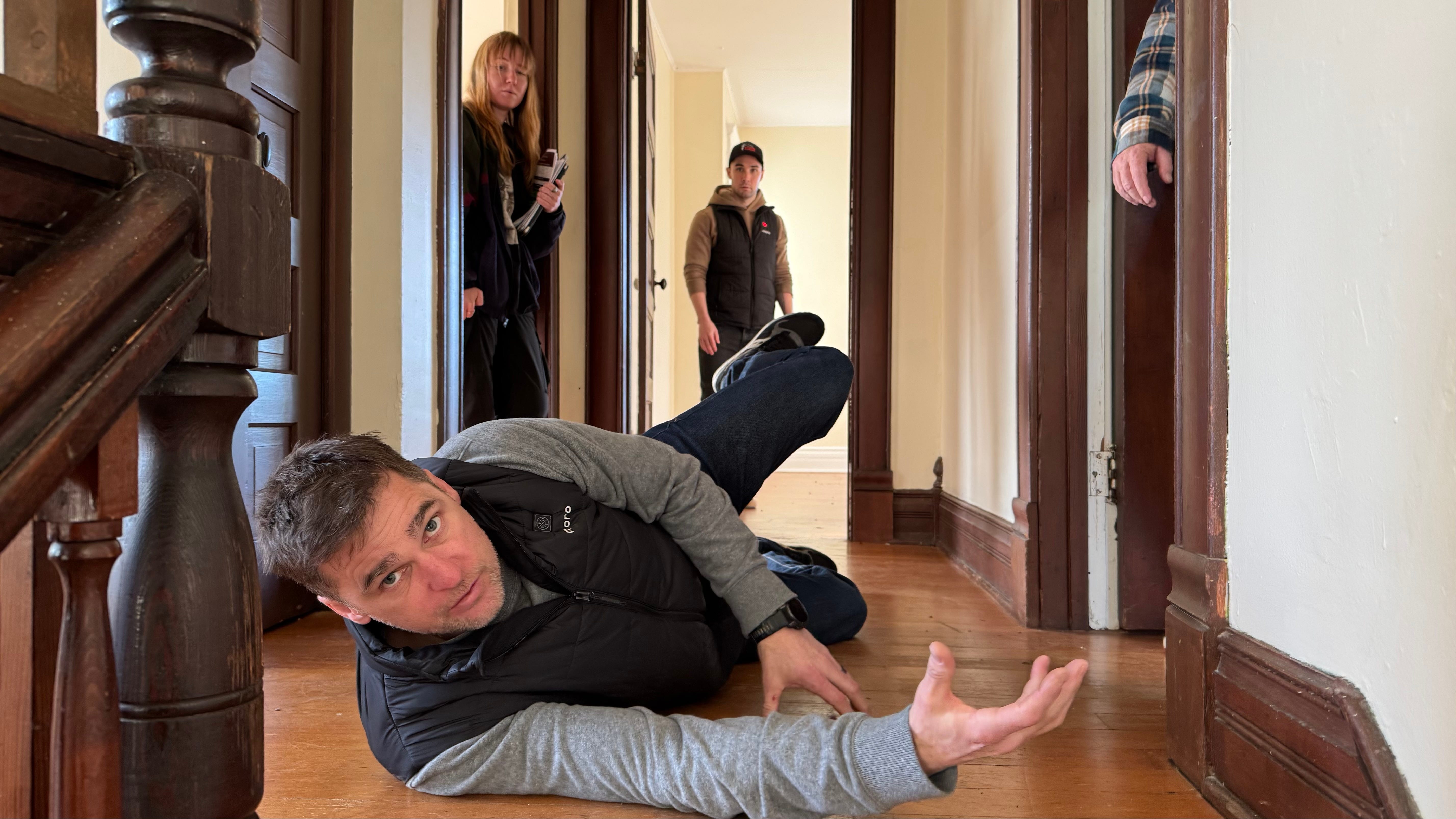
Midweek, we did a stunt scout at the house with our stunt coordinator, Jon Kralt, and it was one of the highlights of the week. We walked through several key sequences, including a stair fall that’s going to be a big moment in the film. You can’t fake gravity — at some point, someone really is going down those stairs — but there are a lot of smart ways to make it safer and more affordable.
Painted mats that look like hardwood. Camera angles that hide padding. Decisions about whether a shot requires VFX cleanup or can be done entirely in-camera. Change the angle, save thousands of dollars. These are the kinds of conversations that quietly shape the movie long before anyone yells “action.”
We wrapped the week with a full tech survey — a day-long technical scout of every location with all department heads present. This is where everyone double-checks measurements, plans power and rigging, identifies access issues, and flags anything that could become a problem later. Lighting looks at generator placement. Grips plan rigging points. Stunts assess safety and wire options. Everyone does their pass.
It’s a long day, but it’s invaluable. And doing it early means people still have time to adjust their plans, tweak budgets, and ask questions before production starts. Fewer surprises later is always the goal.
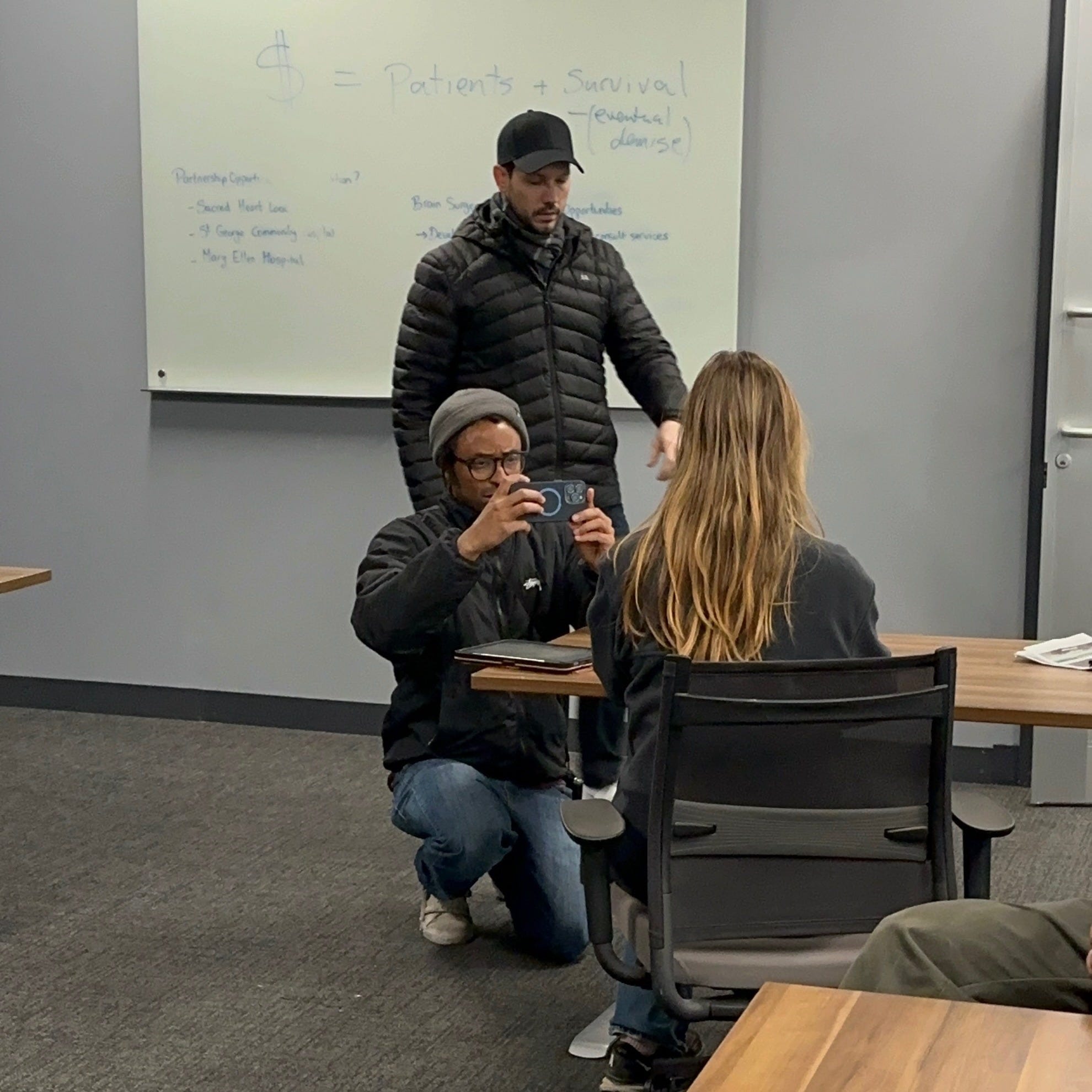
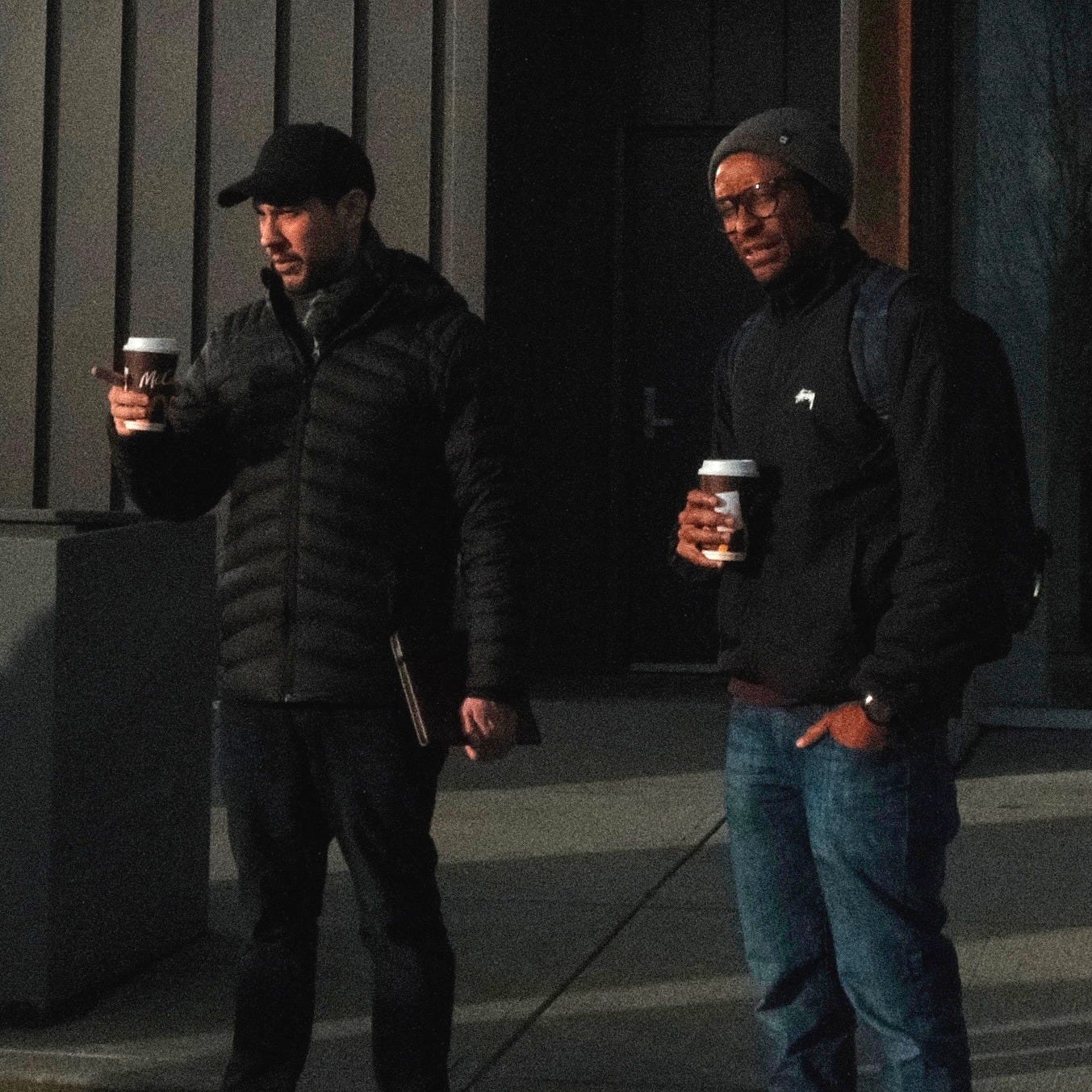
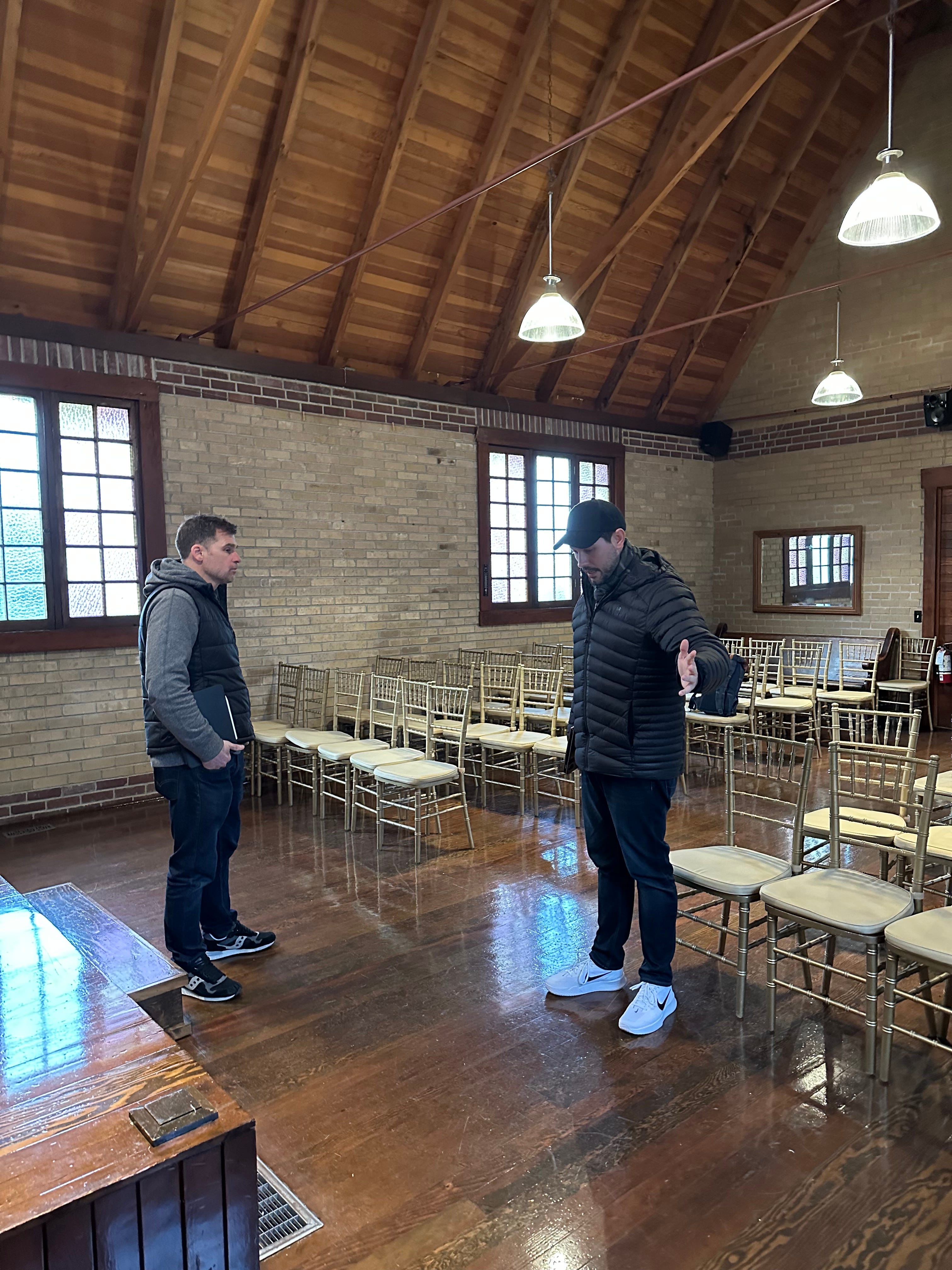
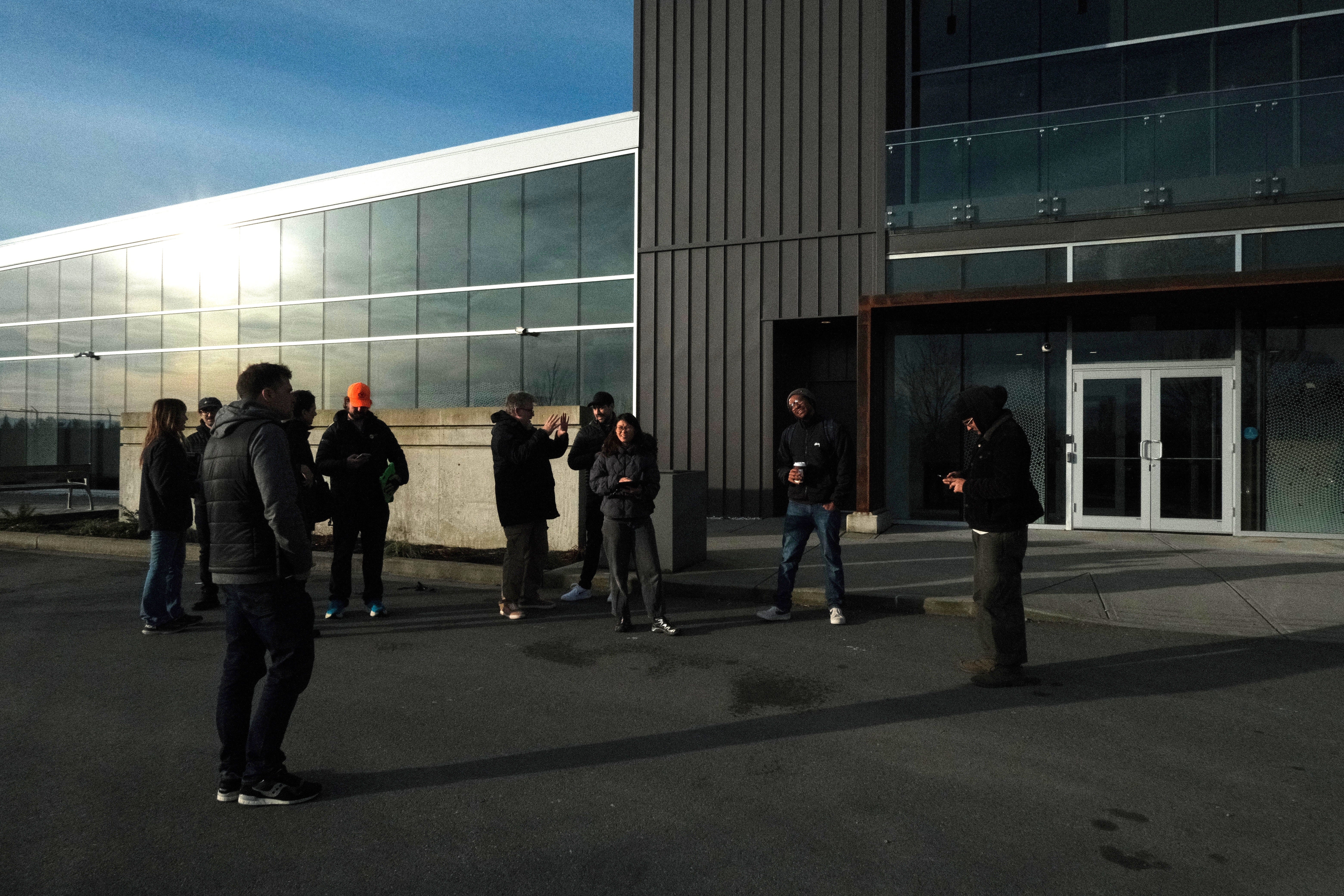
Week two wasn’t flashy. But it’s where the film really started coming together.
This coming week is where decisions harden. Where the margin for error shrinks. And where you fully realize just how many moving pieces you’re responsible for — and how much you’re relying on your team to pull it all off.
Pre-production week two is officially in the books.
Only one week left until production…
New Episode!
“The Devil’s In The Details: Remnant Pre-Production Week 2”

In this episode of Off The Lot, Ken Kabatoff and Anthony Epp share updates from the front lines of indie filmmaking, including early details on the psychological thriller Blue Box, which Anthony produced.
They discuss investor strategy, why genre matters, and the importance of building sustainable, repeatable paths to get films made outside traditional systems.
The episode also checks in on pre-production for Ken’s horror feature Remnant, covering department coordination, planning challenges, and the constant balance between creative ambition and logistics.
Check it out now at the link below!
www.offthelotpodcast.com/listen
To stay up to date on the movie:
👉 www.remnantmovie.com
Or follow me on Instagram:
👉 @ken_kabatoff
Glad to have you on this journey with me.
If you think someone else would appreciate this newsletter, share and subscribe below!
More soon.
-Ken-
Loved this breakdown. Pre-production reads a lot like early ops: invisible work, brutal tradeoffs, zero glamour. Most people only respect the end result, but this is where it’s actually won 👊